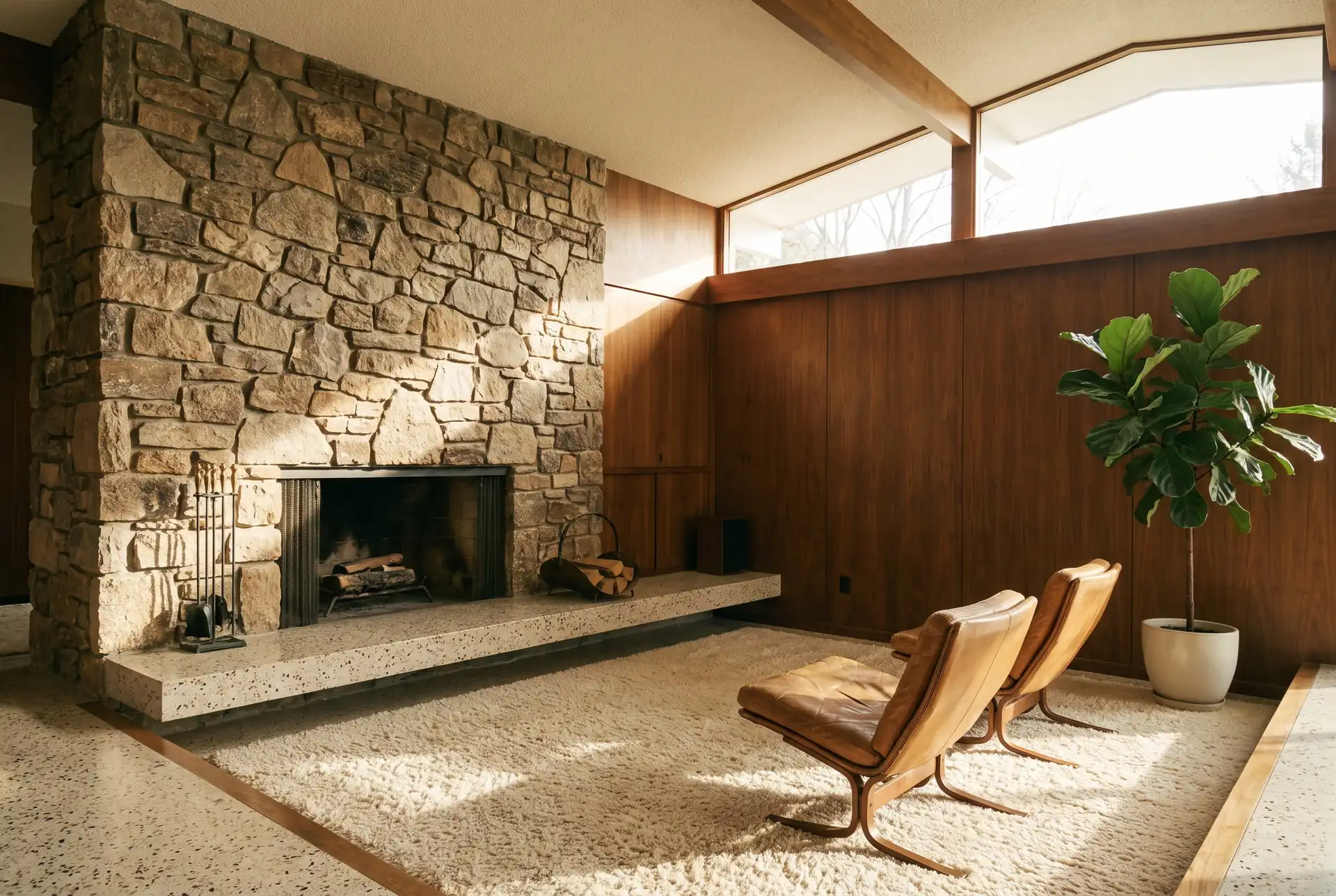
An automated valuation model is a regression over public records. It knows square footage, bed and bath count, lot size, year built, and what things nearby sold for. Given a 1998 tract house in a subdivision of two hundred nearly identical 1998 tract houses, it is a remarkably good instrument. Given a 1955 H.B. Wolff post-and-beam with intact clerestory glazing, it is guessing.
What the model cannot see
- Condition, at any level of detail beyond "a permit was pulled in 2019".
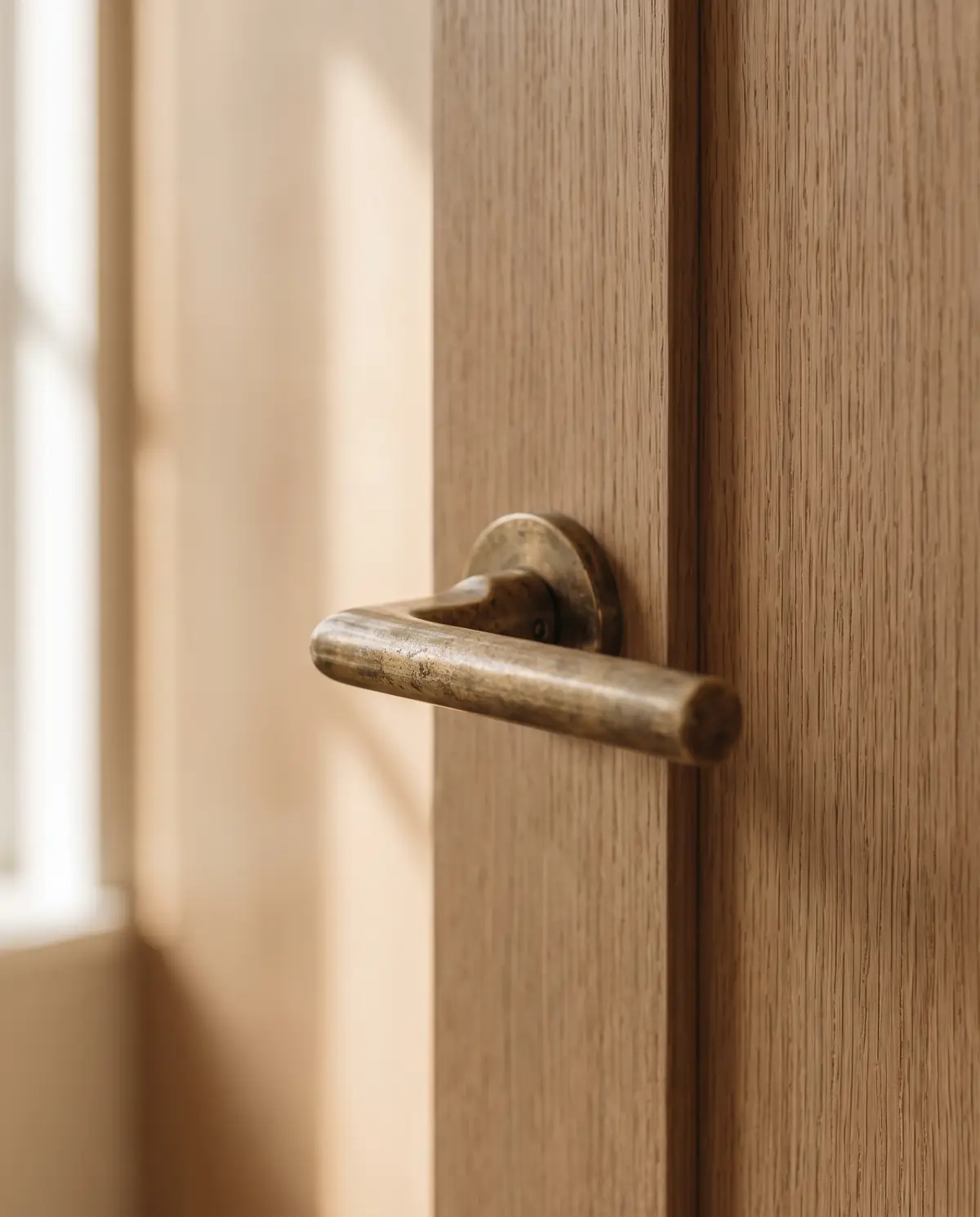
- Finish level. Rift-sawn white oak and builder-grade laminate are both "flooring".
- Orientation, light and view — often the single largest value driver in the foothills.
- Whether a renovation was done well, done badly, or done without permit.
- Provenance. That an architect of local significance drew it, and that the buyers who want that will pay for it.
- Which of the "comparable" sales nearby were actually comparable.
On ordinary stock the errors cancel out. On the forty-seven properties this site represents, we have watched automated estimates land fifteen per cent out in both directions, and there is no way to know which direction without doing the work.
How we actually do it
1. Widen the comparable net
The standard approach takes closed sales within half a mile in the last three months. For a designed house that set is frequently empty or actively misleading. We go further out and further back, because the buyer for an intact mid-century in Krisana Park is comparing it against another intact mid-century in Arapahoe Acres, not against the ranch two doors down that was flipped in 2021.
2. Adjust explicitly, and show the adjustments
Every comparable gets line-item adjustments for size, lot, condition, garage, view and finish level. You see the arithmetic. If we adjusted a comparable down eighty thousand dollars for condition, you get to ask why, and we have to have an answer.
3. Produce a range, then argue about it
A single number is a sales technique. A range with reasoning is advice. Ours typically spans six to nine per cent, and it includes the comparables that argue for the bottom of it. Priya's analyses run to eleven pages and she will walk you through the ones that contradict her.
4. Check the range against live inventory
Closed sales tell you what happened. Active listings tell you what your buyer is choosing between this weekend. If there are three better houses on the market inside your range, the range is wrong regardless of what the comparables say.
The cost of getting it wrong upward
Overpricing is not a free option you can correct later. The first fourteen days carry most of the attention a listing will ever receive, and days on market is public. By day forty-five the question every buyer's agent asks is "what's wrong with it", and you end up selling below where a correct initial price would have landed you. We priced 2135 S Emerson at $885,000 against a seller who wanted $940,000. It closed at $868,000 in seventeen days with a clean inspection. The $940,000 version of that listing would have closed lower and three months later.
And the cost of getting it wrong downward
Underpricing to provoke a bidding war works, sometimes, in a market with real scarcity. In the balanced Front Range market of autumn 2026 it mostly just sells your house for less. It is a tactic with a narrow window and we will tell you when the window is open.
We will write one of these for any address in our sixteen neighborhoods, at no cost, with no listing agreement attached. We do a lot of them. Most never become listings.
This article is general information about the Colorado residential market, not legal, tax or financial advice, and it is published on a demonstration website for a fictional brokerage. Consult your own attorney, accountant and lender before acting on anything in it.